
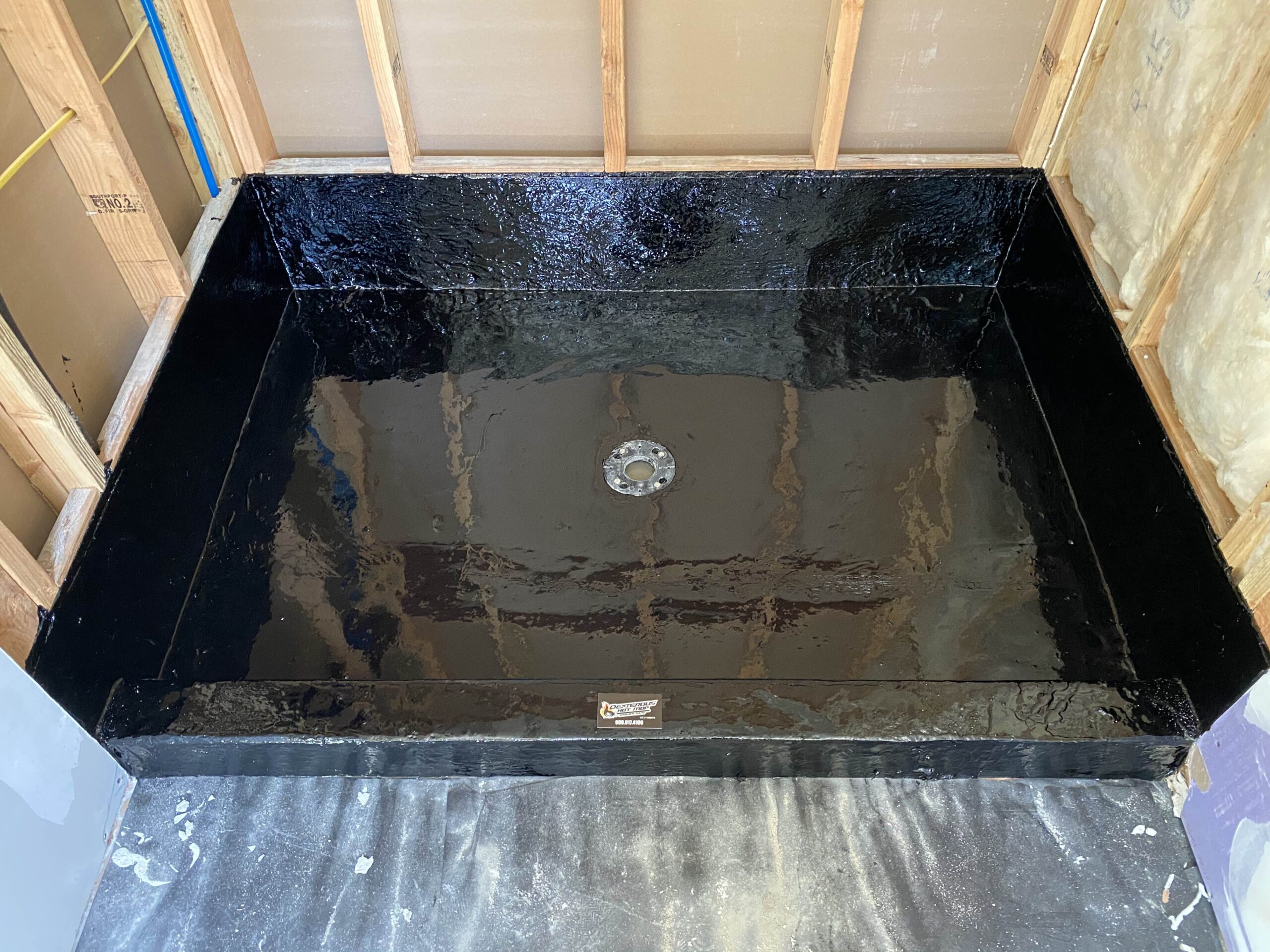
Hot mop is a traditional waterproofing technique used in construction. Layers of hot asphalt are mopped onto the surface to create a watertight seal. This method is commonly applied to flat roofs and shower pans to prevent leaks. The process involves heating the asphalt to a liquid state and carefully applying it to the designated area. Hot mopping provides a durable and effective solution for waterproofing requirements in various structures.

What is Hot Mop: Understanding This Traditional Waterproofing Method
Welcome, young readers! Today, we’re diving deep into the world of construction and learning all about a fascinating technique called hot mopping. Have you ever heard of hot mopping? No? Well, get ready to uncover the secrets behind this traditional method used to waterproof homes and buildings. Let’s explore what hot mop is all about!
Hot Mop: The Basics
So, what exactly is hot mopping? Hot mopping is a process used in construction to create a watertight seal in areas like showers, decks, and roofs. It’s a traditional method that has been around for many years and is still widely used today because of its effectiveness in preventing water leaks.
During the hot mop process, layers of hot asphalt are heated and applied to the surface that needs waterproofing. The hot asphalt is heated to a high temperature to make it liquid, allowing it to be spread evenly over the designated area. As the asphalt cools, it forms a solid, waterproof barrier that helps protect the underlying structure from water damage.
How Does Hot Mop Work?
Let’s break it down step by step. First, the surface to be waterproofed is prepared by ensuring it is clean and free of any debris that could affect the adhesion of the asphalt. Next, the hot asphalt is heated in a specialized machine until it reaches the right temperature for application.
Once the asphalt is ready, skilled workers use a mop to apply it in layers to the surface. Each layer is carefully laid down and allowed to cool and harden before the next layer is added. This process is repeated several times until the desired thickness and coverage are achieved.
Why is Hot Mop Effective?
Hot mopping is a popular waterproofing method for several reasons. One of the main advantages of hot mopping is its ability to create a seamless and continuous barrier that conforms to the shape of the surface being waterproofed. This eliminates any gaps or weak points that could potentially allow water to seep through.
Additionally, the hot asphalt used in the hot mop process is highly durable and can withstand the elements, making it an excellent choice for areas exposed to harsh weather conditions. The waterproof barrier created by hot mopping also helps extend the lifespan of the underlying structure by protecting it from moisture damage.
Where is Hot Mop Used?
Hot mopping is commonly used in areas that are prone to water exposure, such as showers, decks, balconies, and flat roofs. In shower construction, hot mopping is often employed to create a waterproof base that prevents water from leaking into the walls or floors.
For flat roofs, hot mopping is a preferred method for waterproofing because it provides a seamless barrier that can withstand pooling water and UV exposure without deteriorating. This helps prolong the life of the roof and prevents water damage to the interior of the building.
Benefits of Hot Mop
Now that you know what hot mop is and how it works, let’s discuss some of the key benefits of this traditional waterproofing method. One of the main advantages of hot mopping is its cost-effectiveness compared to other waterproofing techniques.
Hot mopping is also known for its durability and longevity. Once properly installed, a hot mop waterproofing system can last for many years with minimal maintenance. This longevity makes it a reliable choice for homeowners and builders looking for a long-term solution to waterproofing challenges.
Conclusion
So, there you have it – a comprehensive guide to understanding hot mop and how it is used to waterproof homes and buildings. The next time you see a construction project underway, you’ll know a little more about the fascinating techniques that go into making a structure safe and secure from water damage. Remember, hot mopping is just one of the many innovative methods used in the world of construction!
I hope you enjoyed learning about hot mop today. Keep exploring and expanding your knowledge – the world of construction has so much to offer! Until next time, stay curious and keep learning!
Hot mop waterproof
Frequently Asked Questions
What is a hot mop?
A hot mop is a roofing technique where asphalt or hot tar is used to waterproof the underlying surface. It involves heating the material to a liquid state and then mopping it onto the roof, creating a protective barrier against water intrusion.
How is a hot mop roof installed?
To install a hot mop roof, the roofing team will first prepare the surface by cleaning and priming it. Then, they heat the asphalt or tar to a high temperature and apply it using mops or brushes. Multiple layers are usually applied to ensure proper waterproofing.
What are the benefits of a hot mop roof?
A hot mop roof provides excellent waterproofing capabilities, making it ideal for areas prone to heavy rainfall. It forms a seamless barrier that is highly durable and resistant to UV rays, ensuring long-lasting protection for the building.
How long does a hot mop roof last?
The lifespan of a hot mop roof can vary depending on factors like maintenance, weather conditions, and the quality of installation. On average, a well-installed hot mop roof can last anywhere from 15 to 25 years with proper care and upkeep.
Final Thoughts
Hot mop roofing is a traditional method of applying asphalt to create a waterproof barrier. The process involves heating asphalt until it becomes a hot liquid, then mopping it onto the roof surface. This technique ensures a seamless and durable protective layer that can withstand harsh weather conditions. Overall, hot mop roofing is a proven method for maintaining the integrity of a building’s structure.