

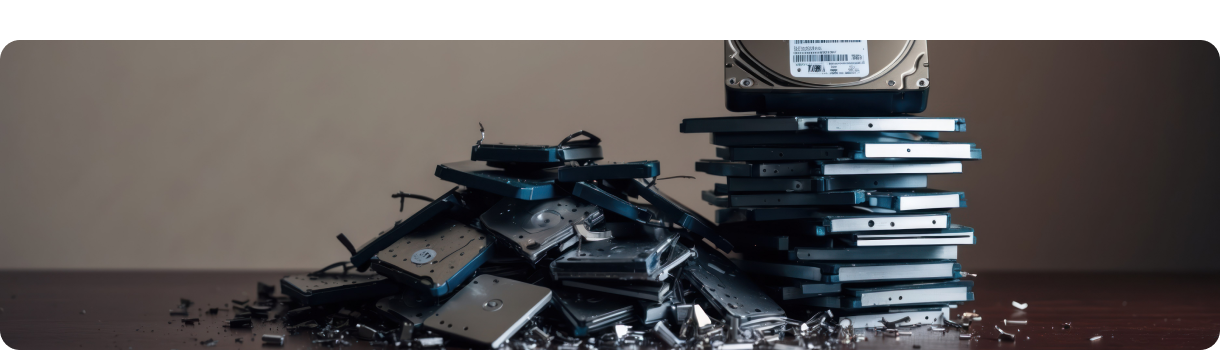
A single discarded hard drive can expose confidential files, customer records, passwords, and sensitive business information. As cyber threats and data breaches continue to rise, businesses can no longer ignore the importance of secure data disposal.
Many companies focus on protecting data during daily operations but overlook what happens when devices are no longer needed. Simply deleting files is not enough, as data can often be recovered using advanced tools. This is why a certified data destruction service is essential for protecting businesses from data theft and compliance risks.
Professional data destruction helps companies safeguard customer trust, avoid legal problems, and ensure sensitive information never falls into the wrong hands.
Why Data Destruction Has Become a Business Priority
Modern businesses collect and store enormous amounts of information every day. Employee records, customer databases, payment details, confidential contracts, and business strategies are all stored digitally across multiple devices and systems.
While this digital transformation has improved efficiency, it has also increased the risks associated with poor data management. Businesses today face threats not only from hackers but also from improper disposal practices.
Some of the biggest risks of unsecured data disposal include:
- Identity theft
- Financial fraud
- Data breaches
- Legal penalties
- Loss of customer confidence
- Damage to brand reputation
Many organisations still believe that deleting files is enough to erase information permanently. However, professional recovery software can often retrieve deleted data from hard drives, servers, and storage devices. Without proper destruction methods, businesses leave themselves vulnerable to serious security threats.
What Is Professional Data Destruction?
Professional data destruction is the secure process of permanently eliminating sensitive information stored on physical and digital devices. The objective is to make data completely unrecoverable.
Unlike ordinary deletion methods, professional destruction uses advanced techniques designed to meet industry security standards. Depending on the device and level of security required, providers may use physical destruction, shredding, degaussing, or certified data wiping solutions.
Devices commonly destroyed include:
- Hard drives
- SSDs
- Backup tapes
- USB devices
- Mobile phones
- Servers
- Office computers
- Printed confidential documents
After completion, businesses usually receive official destruction certificates as proof that the data has been securely destroyed according to compliance requirements.
Why Businesses Need Secure Data Disposal
Ignoring secure disposal can create long-term problems for organisations. A single security incident caused by improperly discarded devices can lead to massive financial and reputational damage.
Protection Against Data Breaches
One of the biggest advantages of professional destruction is preventing unauthorised access to confidential information. Secure destruction ensures that sensitive files cannot be recovered or misused.
Compliance With Data Regulations
Many industries are required to follow strict data protection laws and privacy regulations. Secure disposal helps organisations meet legal requirements and avoid penalties.
Improved Customer Trust
Customers expect businesses to handle their personal information responsibly. Companies that prioritise data security build stronger trust and credibility in the market.
Reduced Storage Risks
Many businesses keep outdated devices in storage for years without realising the security risks involved. Secure destruction eliminates unnecessary exposure from unused hardware.
Businesses that work with a certified data destruction service gain confidence knowing that their information is being handled using secure and verified procedures.
Common Data Disposal Mistakes Businesses Make
Despite increasing awareness about cybersecurity, many companies still make avoidable mistakes when disposing of old devices and confidential information.
One major mistake is relying on basic deletion methods. Emptying recycle bins, resetting devices, or formatting drives does not permanently erase stored information.
Another common issue is selling or donating old equipment without proper sanitisation. Even second-hand devices can contain recoverable business data if not destroyed correctly.
Businesses also make the mistake of choosing low-cost disposal providers without checking certifications or security standards. Without verified destruction processes, there is no guarantee that sensitive information has been permanently removed.
To minimise risks, organisations should create clear data disposal policies and work only with trusted providers that follow recognised security practices.
The Growing Need for Secure Data Destruction in Dubai
Dubai has become one of the fastest-growing business and technology hubs in the region. As companies continue expanding their digital infrastructure, awareness around cybersecurity and information protection has also increased significantly.
Organisations across industries are now prioritising secure disposal solutions to protect sensitive data and maintain regulatory compliance. Financial institutions, healthcare providers, government entities, retail businesses, and corporate organisations are all investing in stronger information security practices.
This growing demand has increased the importance of certified data destruction services in Dubai for businesses looking to securely dispose of outdated technology and confidential information. Professional providers help companies maintain compliance while reducing the risks associated with data leaks and cyber threats.
How to Choose the Right Data Destruction Partner
Selecting the right provider is essential for ensuring maximum security and reliability. Businesses should carefully evaluate providers before handing over sensitive devices or information.
Important factors to consider include:
- Industry certifications
- Secure handling procedures
- Transparent destruction methods
- Availability of destruction certificates
- Environmentally responsible recycling
- Experience with corporate projects
A reliable provider should also maintain a proper chain of custody throughout the destruction process to ensure complete accountability.
Building a Long-Term Security Strategy
Secure data destruction should not be viewed as a one-time task. Businesses need a long-term strategy for managing information securely throughout its lifecycle.
This includes regular audits of unused devices, employee awareness training, proper storage management, and scheduled destruction procedures. Integrating secure disposal into overall cybersecurity planning helps organisations reduce risks and strengthen operational security.
Companies that invest in responsible disposal practices not only protect sensitive information but also demonstrate professionalism and commitment to customer privacy.
Conclusion
As businesses continue generating large amounts of digital data, secure disposal has become more important than ever. Improper handling of outdated devices and confidential records can lead to serious financial and reputational risks.
Professional data destruction provides a secure way to permanently remove sensitive information while supporting compliance and data security. From preventing breaches to protecting customer trust, secure destruction plays a key role in modern business operations. Organisations that prioritise professional data destruction take an important step toward protecting their reputation, data, and long-term business security.
Businesses looking for secure and eco-friendly recycling solutions can rely on Planet Green for responsible waste management and professional data destruction services. The company focuses on helping organisations safely dispose of sensitive information while supporting sustainability and environmental protection.