
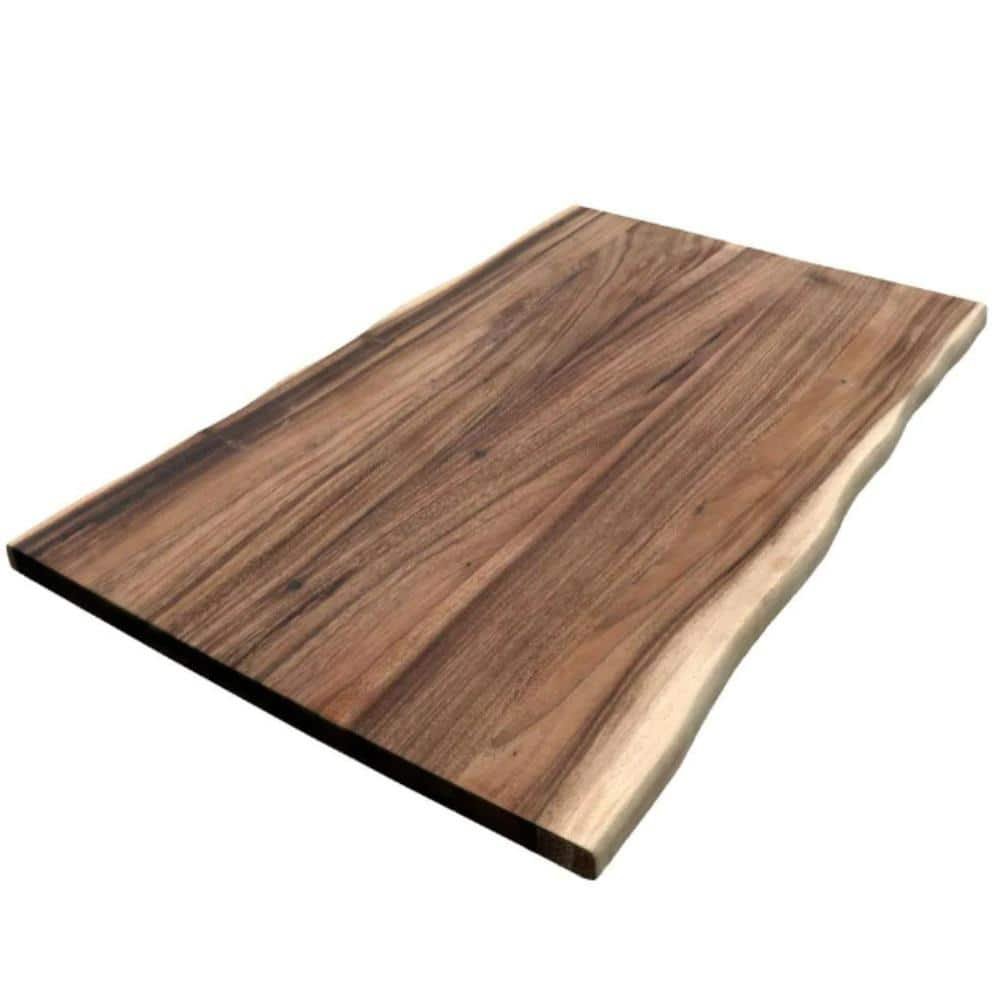
Saman wood, also known as rain tree wood, is a striking material renowned for its durability and exquisite grain patterns. This tropical hardwood hails from Southeast Asia, boasting a rich, reddish-brown hue that deepens with age. Its versatility makes it a sought-after choice for furniture, flooring, and decorative items. Embracing both strength and beauty, what sets Saman wood apart is its eco-friendly nature, as it is a sustainable option that enhances the natural aesthetics of any space.

What is Saman Wood: A Comprehensive Guide
Welcome to our in-depth exploration of Saman wood, a fascinating and unique material that has gained popularity in various industries. In this article, we will unravel the mysteries of Saman wood, discussing its origin, characteristics, uses, and much more. So, let’s embark on this journey to discover the wonders of Saman wood!
The Origins of Saman Wood
Saman wood, also known as Albizia Saman or Rain Tree, originates from the rainforests of South and Central America, particularly in countries like Brazil, Mexico, and Venezuela. This majestic tree can grow up to 25-30 meters in height and is known for its distinctive umbrella-shaped canopy that provides ample shade and shelter.
Characteristics of Saman Wood
One of the most striking features of Saman wood is its beautiful grain patterns, which vary from piece to piece, giving each item crafted from this wood a unique and exquisite look. The wood has a warm and inviting tone, making it a popular choice for furniture makers and artisans.
Additionally, Saman wood is renowned for its durability and stability, making it suitable for a wide range of applications. Its natural resistance to decay and insects further adds to its appeal, ensuring that products made from Saman wood last for generations.
Uses of Saman Wood
Due to its exceptional qualities, Saman wood is utilized in various industries and applications. One of the most common uses of Saman wood is in furniture making. The wood is favored by craftsmen for its workability and ability to showcase intricate designs and details.
Moreover, Saman wood is also employed in interior decoration, flooring, and construction projects. Its versatility and aesthetic appeal make it a sought-after material for creating stunning and long-lasting finishes in homes and commercial spaces.
Sustainability and Environmental Impact
As awareness about sustainable practices grows, the sourcing and use of Saman wood have come under scrutiny. It is essential to ensure that Saman wood is harvested responsibly and ethically to prevent deforestation and preserve the biodiversity of the rainforests where it grows.
Many companies now advocate for sustainable forestry practices and support initiatives that promote the conservation of Saman wood and other valuable resources. By choosing products made from sustainably sourced Saman wood, consumers can contribute to the preservation of our planet’s natural habitats.
Caring for Saman Wood Products
To maintain the beauty and longevity of Saman wood products, proper care and maintenance are essential. Regular cleaning with a soft cloth and mild wood cleaner can help retain the wood’s natural luster and shine. Additionally, using furniture polish or wax specifically designed for hardwoods can protect the surface and enhance its appearance.
Avoid placing Saman wood products in direct sunlight or near sources of heat to prevent warping or discoloration. It is also advisable to use coasters or placemats to protect the wood from moisture and scratches, ensuring that your Saman wood items remain in pristine condition for years to come.
In conclusion, Saman wood is a remarkable material with a rich history and unparalleled beauty. Its unique characteristics and versatility make it a prized choice for artisans, craftsmen, and designers around the world. By understanding the origins, uses, and care practices associated with Saman wood, we can appreciate its value and contribute to the conservation of our planet’s precious resources.
We hope this comprehensive guide has piqued your interest in Saman wood and inspired you to explore its wonders further. Whether you are a woodworking enthusiast, interior decorator, or simply someone curious about sustainable materials, Saman wood offers a world of possibilities waiting to be discovered.
Double Live Edge Saman Hardwood Table Top with Top Coat Preview- New to Home Depot in February 2021
Frequently Asked Questions
What are the characteristics of Saman wood?
Saman wood, also known as “rain tree” or “monkeypod,” is a hardwood species native to South and Central America. It is recognized for its distinctive grain patterns, durability, and resistance to rotting, making it a popular choice for furniture and flooring.
Where is Saman wood commonly used?
Saman wood is commonly used in the construction of furniture, interior paneling, decking, and outdoor structures due to its strength and aesthetic appeal. Additionally, it is often utilized in artistic wood carving and musical instrument making.
How does Saman wood benefit the environment?
Saman wood’s rapid growth rate makes it an eco-friendly choice for sustainable forestry practices. Its cultivation helps in reducing pressure on slower-growing tree species, contributing positively to forest conservation efforts.
Final Thoughts
Saman wood, also known as rain tree wood, is a sustainable and versatile material used in furniture and construction. Its durability and distinctive grain make it a popular choice for various projects. Saman wood’s unique characteristics, such as its deep reddish-brown color and resistance to termite attacks, set it apart from other types of wood. Its eco-friendly nature and aesthetic appeal make it a desirable option for environmentally conscious consumers seeking quality and beauty in their wood products.